Our Story
We are a team of researchers and filmmakers from the University of Oxford and Kakuma, working together to bring data to life.
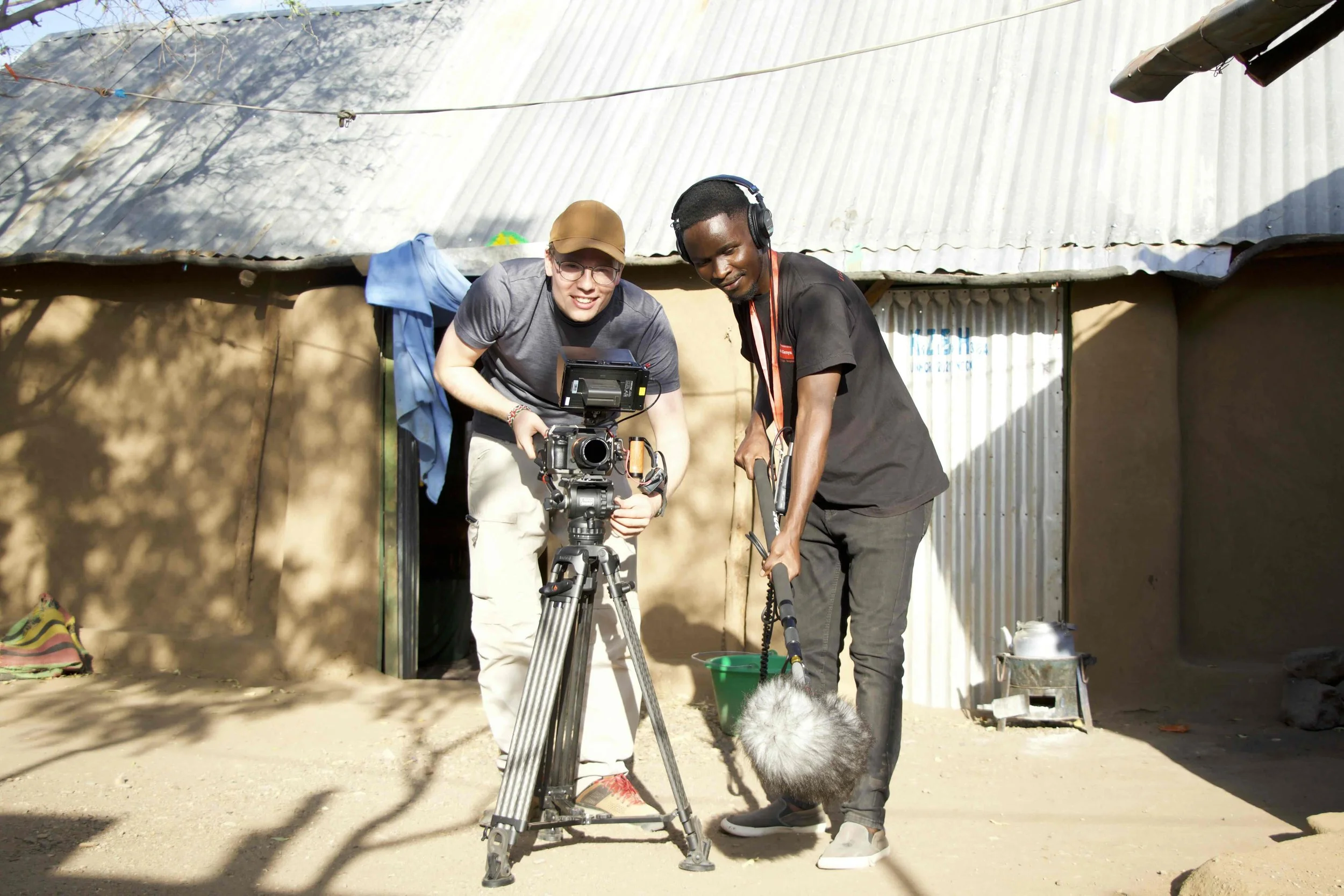
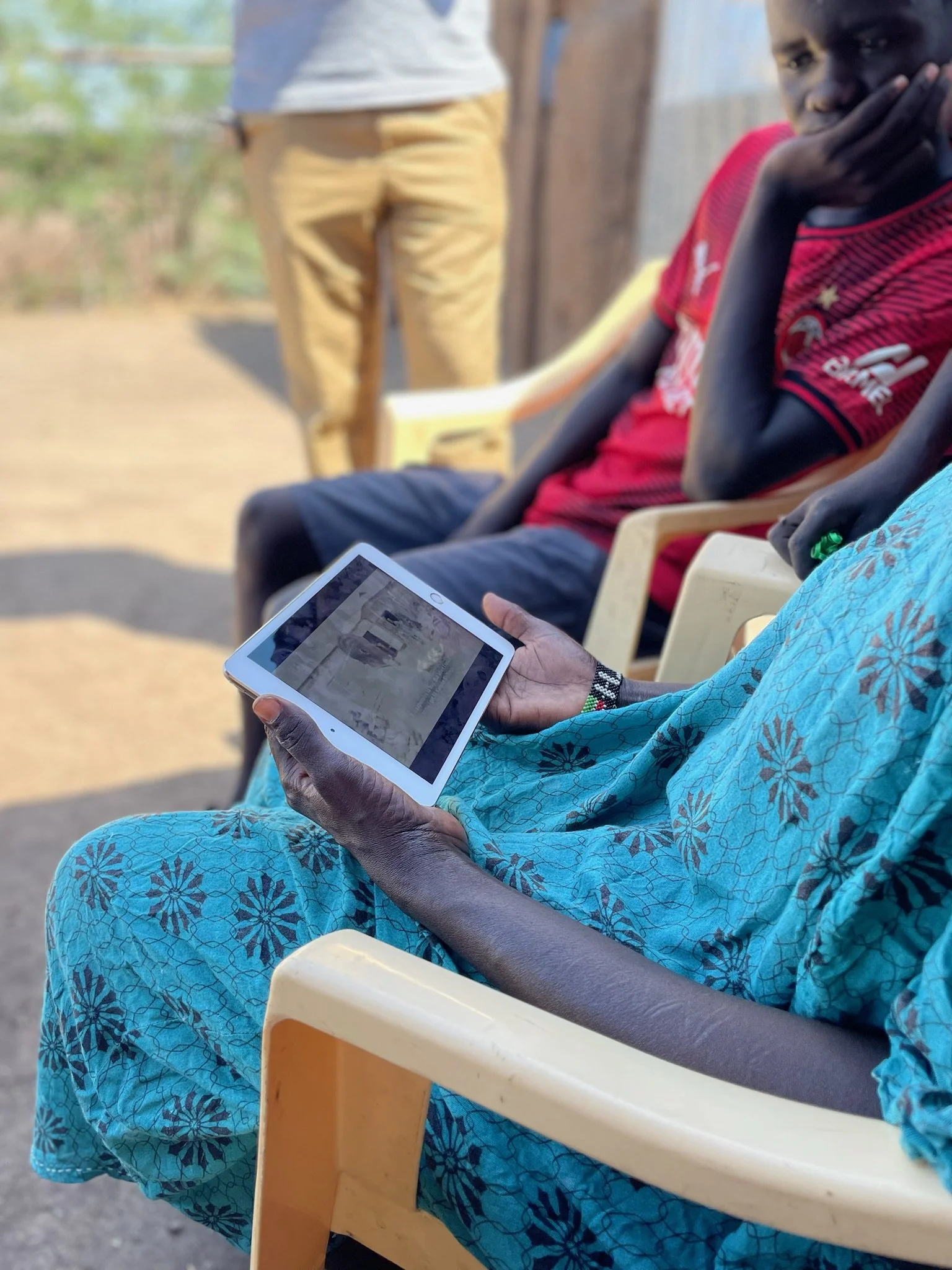
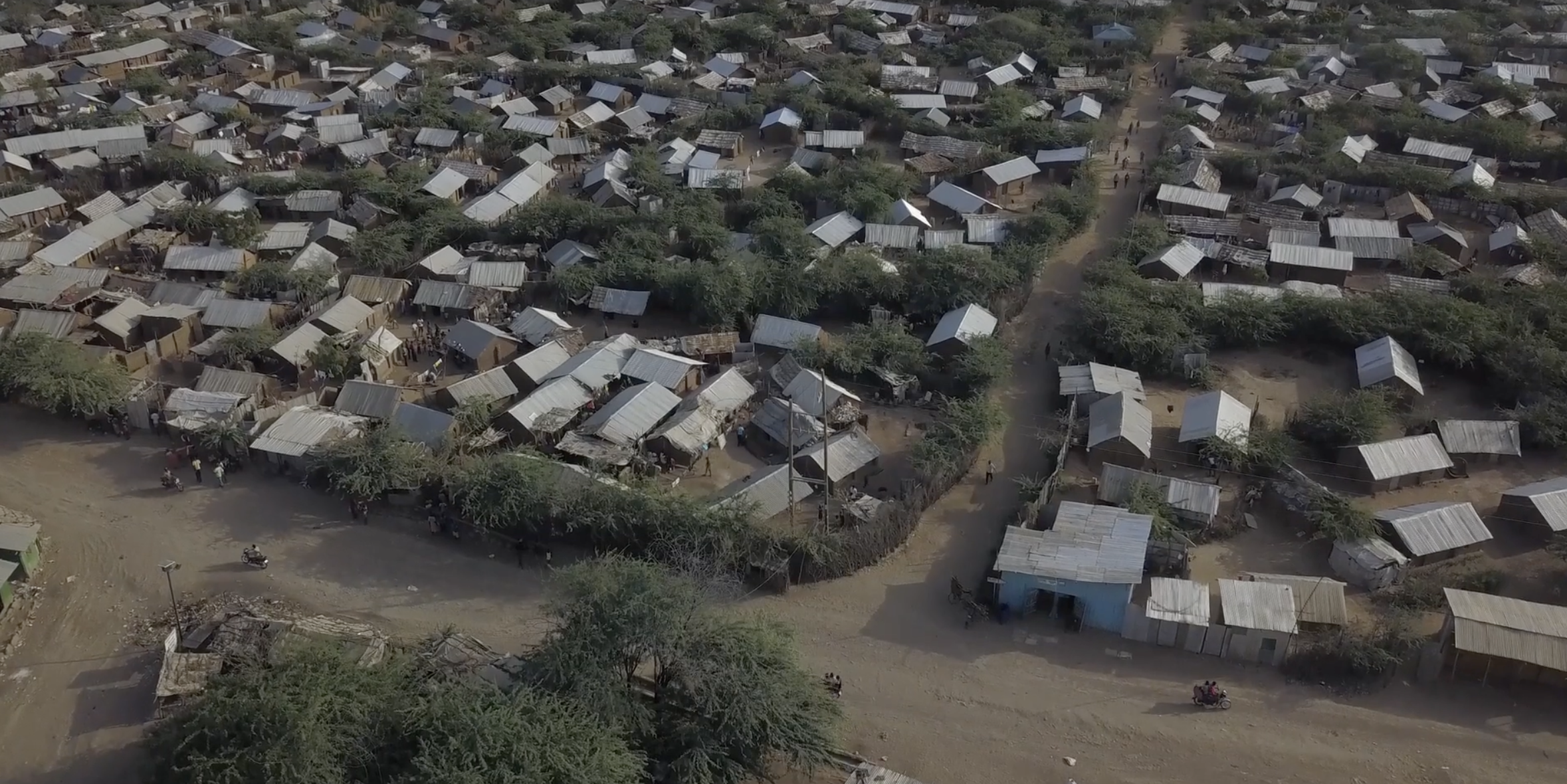
The Oxford team have been conducting research in Kakuma since 2016 as part of the Refugee Economies Programme. The Refugee Economies Programme undertakes research on the economic lives of refugees living in refugees camps and cities in East Africa. Through primary data collection, we explore the conditions under which refugees can become self-sufficient and make positive economic contributions to their host states and societies. Our research is interdisciplinary, combining economics, anthropology, history, and political science. We collect original qualitative and quantitative data, and often draw upon a range of participatory methods, including working with refugee researchers. However, beyond their economic lives, we are often asked what life is really like in these refugee contexts.
Wanting to create a representative picture, we collaborated with Kakuma Film Team in 2022. Kakuma Film Team is a refugee-led media collective formed through a partnership between the Refugee Uplift Network, led by Christian Baobab, and Mbarush Films, founded by Mburushimana Salum. Based in Kakuma Refugee Camp, the team combines creative storytelling and professional production expertise to deliver high-quality films, photography, and multimedia content. They have collaborated with both local and international humanitarian organizations across Kenya, using visual media to advocate, educate, and amplify voices from displaced communities.
Our Team
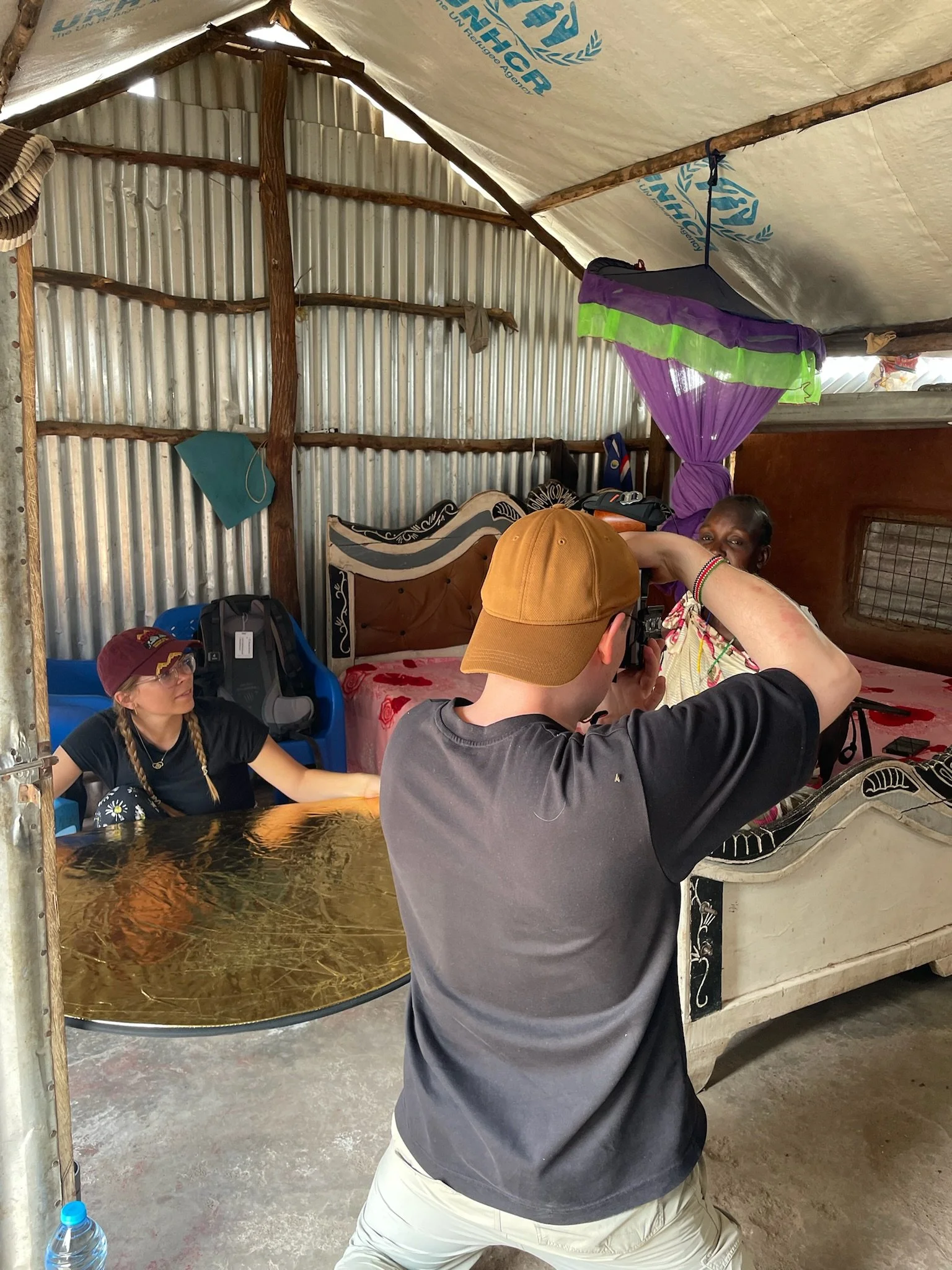
Refugee Stories Team, Oxford
-
Raphael Bradenbrink is a DPhil student at the Oxford Department of International Development, University of Oxford. In his research, he explores the economic lives of refugees. He is a filmmaker and uses documentary film within his research to bring to life the economic lives of refugees for broader public and policy audiences. He has worked as a Research Assistant on several projects focusing on the lives of refugees in Ethiopia and Kenya.
-
Olivier Sterck is Associate Professor and Senior Research Officer at the Refugee Studies Centre, University of Oxford, and Antwerp University. He is an economist, working across development economics, health economics, and refugee studies. Olivier's research uses applied econometrics and economic modelling to study refugee economies. He has published articles in the Economic Journal, the Journal of Development Economics, World Development, and the Journal of Ethnic and Migration Studies, and previously collaborated with, among others, the World Food Programme and the World Bank
-
Madison Bakewell is the Programme Manager for the Refugee Economies Programme at the University of Oxford. A geographer by training, she holds an MSc in Refugee and Forced Migration Studies from the University of Oxford. She has conducted research on refugee livelihoods and humanitarian support in camps across Uganda and Kenya, and is particularly interested in the role of storytelling in research and public engagement.
-
Alexander Betts is Professor of Forced Migration and International Affairs at the University of Oxford, where he is also Pro-Vice-Chancellor (for External Engagement, Sport, and Community), and was previously Director of the Refugee Studies Centre. His research focuses on the political economy of refugee protection, with a focus on Africa. His most recent books are The Wealth of Refugees: How Displaced People Can Build Economies (Oxford University Press, 2021) and Social Science: A Very Short Introduction (Oxford University Press, 2024). He won the ESRC’s Outstanding International Impact Award, is a Fellow of the British Academy, and was previously a World Economic Forum Young Global Leader. His TED talks have been viewed over 5 million times, and he has written for the New York Times, the Washington Post, Foreign Affairs, and the Guardian. He has previously worked for UNHCR.
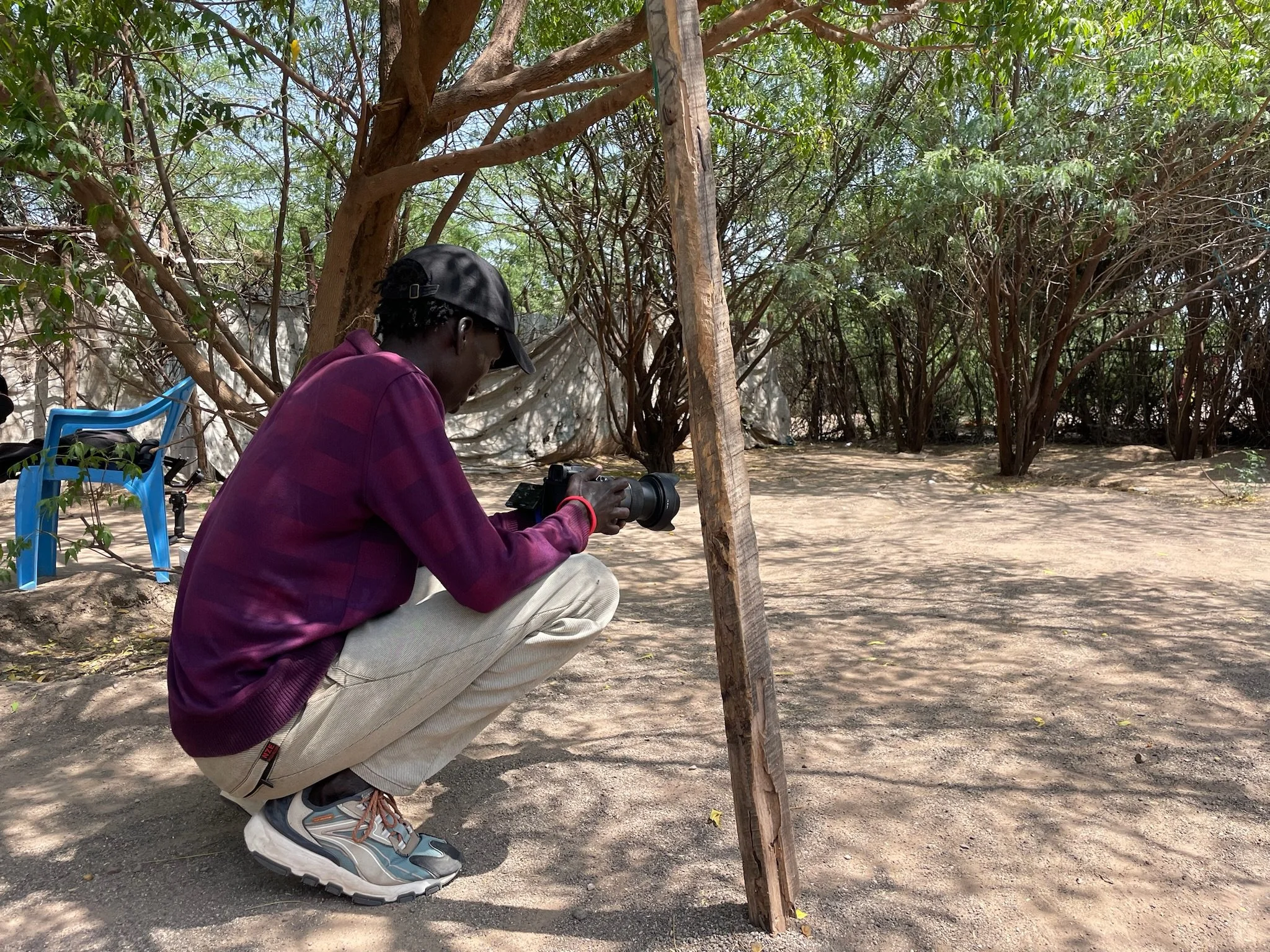
Kakuma Film Team
-
Christian Baobab is originally from Congo, DRC. He is a refugee currently living in Kenya. Christian is a passionate refugee advocate who uses the power of storytelling through writing, filmmaking, and audio production as advocacy tools and a way to encourage refugee storytelling by refugee storytellers. He has worked on several projects with international and national humanitarian organisations and fellow refugees, ensuring refugees’ perspectives and voices are accurately reflected in project narratives.
-
Joseph Lopir is media relations and multimedia specialist. He is a filmmaker and photojournalist, using visual narratives to spotlight refugee resilience and advocate for social change. Joseph has worked on various projects focused on refugee education, livelihoods, and integration in Kakuma and Kalobeyei, Kenya.
-
Mbarushimana Salum is a refugee videographer/photographer with more than 7 years experience based in Kakuma, Kenya. He is a filmmaker and uses documentary films and photos to tell untold stories. He has worked with NGOs and independent individuals including IOM, UNHCR, Oxford University research teams,FilmAid Kenya, IFC and many more. He focus mostly on the strength and resilience of refugees’ daily life in Kenya.
Our hope is that the films will show people what Kakuma refugee camp is really like, and do so in a way that respects individuals’ own stories.
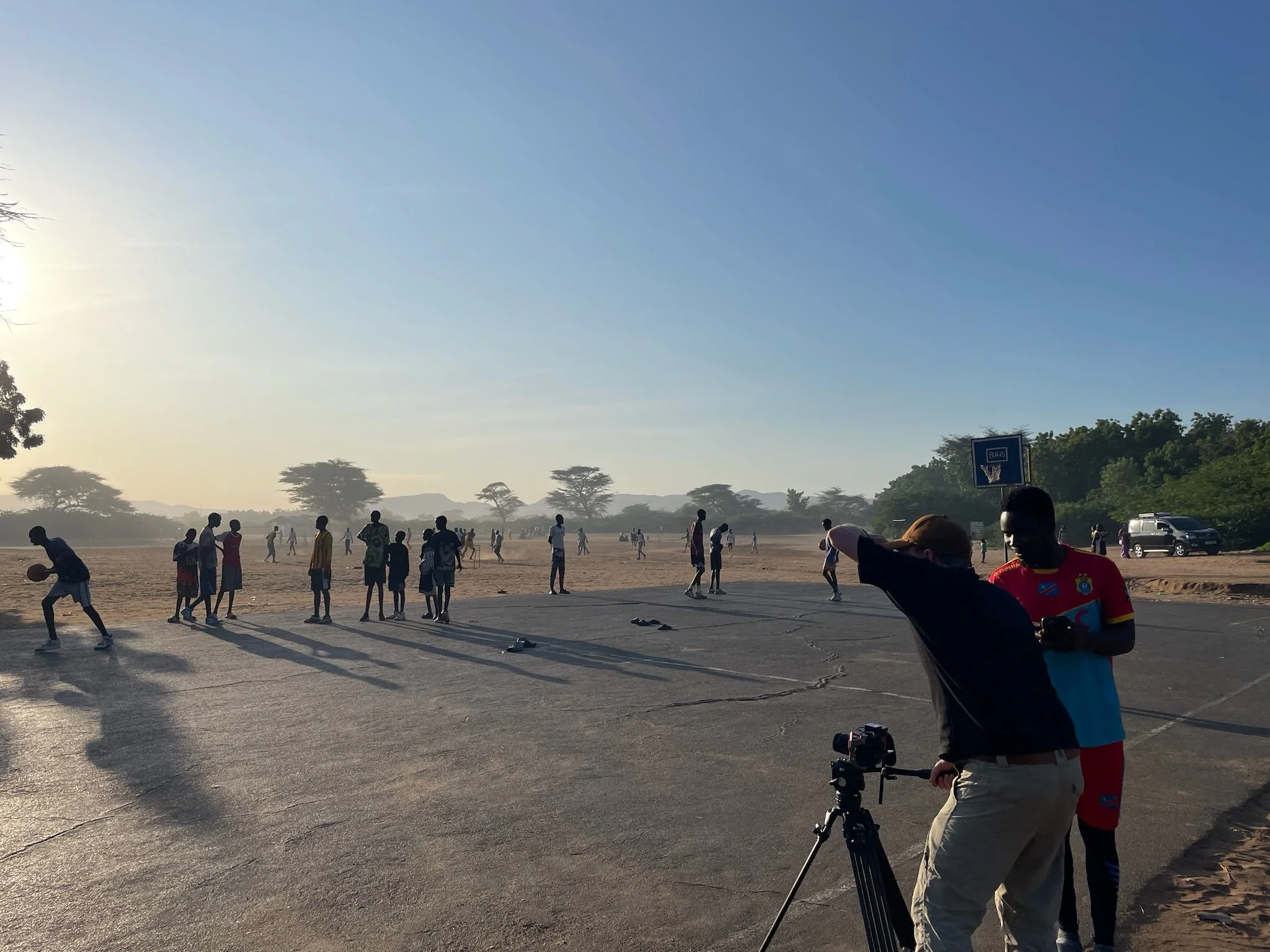
Our Enumerators and Research Assistants
We have been working closely with a dedicated team of enumerators and research assistants who live in Kakuma and Kalobeyei.
Over three research and filming trips, we collected data from over 1,000 families, gathered stories from nine households across the income spectrum, took photos, and interviewed international agencies and community leaders for contextual background for the book.
We thank Patrick Mutinda, Pascal Zigashane Bahati, Andhira Kara, Christine Achola Dominic, John Amanya Simon, Betty Zekira Valeirano, Samuel Binja Cimanuka, Farhan Aden, Michael Kuany Bol, Mayen Aguer Arok, David Reeth Lual, Tunda Emmanuel Ladu, Rami Hessen Almarat, Dak Simon Riek, Buay Kangach, Islam Ahmed Ismail, Dau Dave Jima, Orifa Joseph Jinaro, Arkanjelo Ogwalu Hillary, Hellen Nakeny Peter, Final Jendiya Taban, Dominic Pasquina Abalo, Piyo Ongoro Sebastian, Chubaka David, Niyungeko Antoine Bazahica, Daniel Kabala, Delphin Lwaboshi Balazire, Abdifatah Abdirahman Hussein, Sahara Khalif Jama, Khalid Abdikadir, Abdirashid Burhan, Abdi Sharmake, Feysal Abdi Abdirahman, David Chol, Zaituni Ali Hussein, Sirak Eshetu Alemu, Simon Oliya, Ntagahoraho Anicet, Awak Duot Ajang, Ghak Atem Ghak, Sabrino Musa Anur, Ifrah Mohamed Mohamud, Esther Nakuju Mauro, Abubakar Rugumba Kabura, Oriama Simon Oliya, Mary Awak, Nyanchieu Paul, and Nyankiir Chol.
Trailer voiceover kindly provided by Ali Khan.
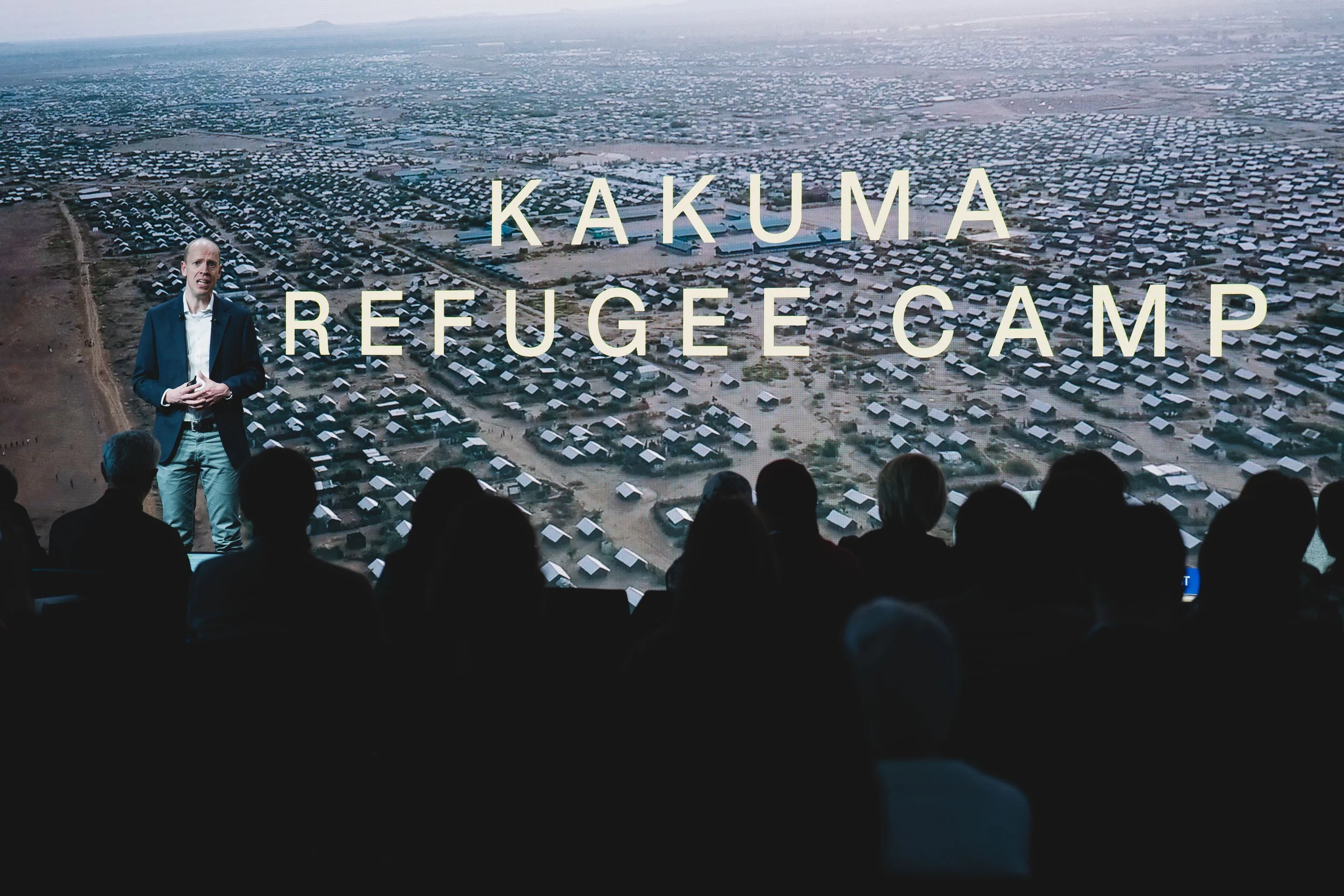
The project has had widespread interest, being presented on a main stage at the Annual Meeting of the World Economic Forum at Davos in 2024 alongside UN High Commissioner for Refugees Filippo Grandi.
Our Partners
The Refugee Studies Centre builds knowledge and understanding of the causes and effects of forced migration in order to help improve the lives of some of the world’s most vulnerable people.

The IKEA Foundation is a strategic philanthropy that focuses its grant making efforts on tackling poverty and climate change.

The University of Antwerp is ranked 7th worldwide in the Times Higher Education Ranking for Young Universities and was awarded the “HR Excellence in Research” quality label by the European Commission.

The project partnered with Gapminder, using their Dollar Street tool - a tool that “uses photos as data to kill stereotypes”.
Contact us.