Methodology
Most people will never set foot in a refugee camp or witness first-hand how people live in such contexts. Instead, public understanding of refugees is largely shaped by the media and politics, which often present distorted narratives.
Refugee Stories seeks to challenge these biased representations.
Refugees are sometimes portrayed as victims to evoke sympathy, as heroes and entrepreneurs to inspire, or as villains—whether criminals or opportunists—who threaten host societies.
To challenge biased representations, we have developed a new research methodology, which we call Representative Storytelling, to portray a broader spectrum of refugee experiences. Not just victims, heroes, or villains, but real lives in all their diversity and complexity.
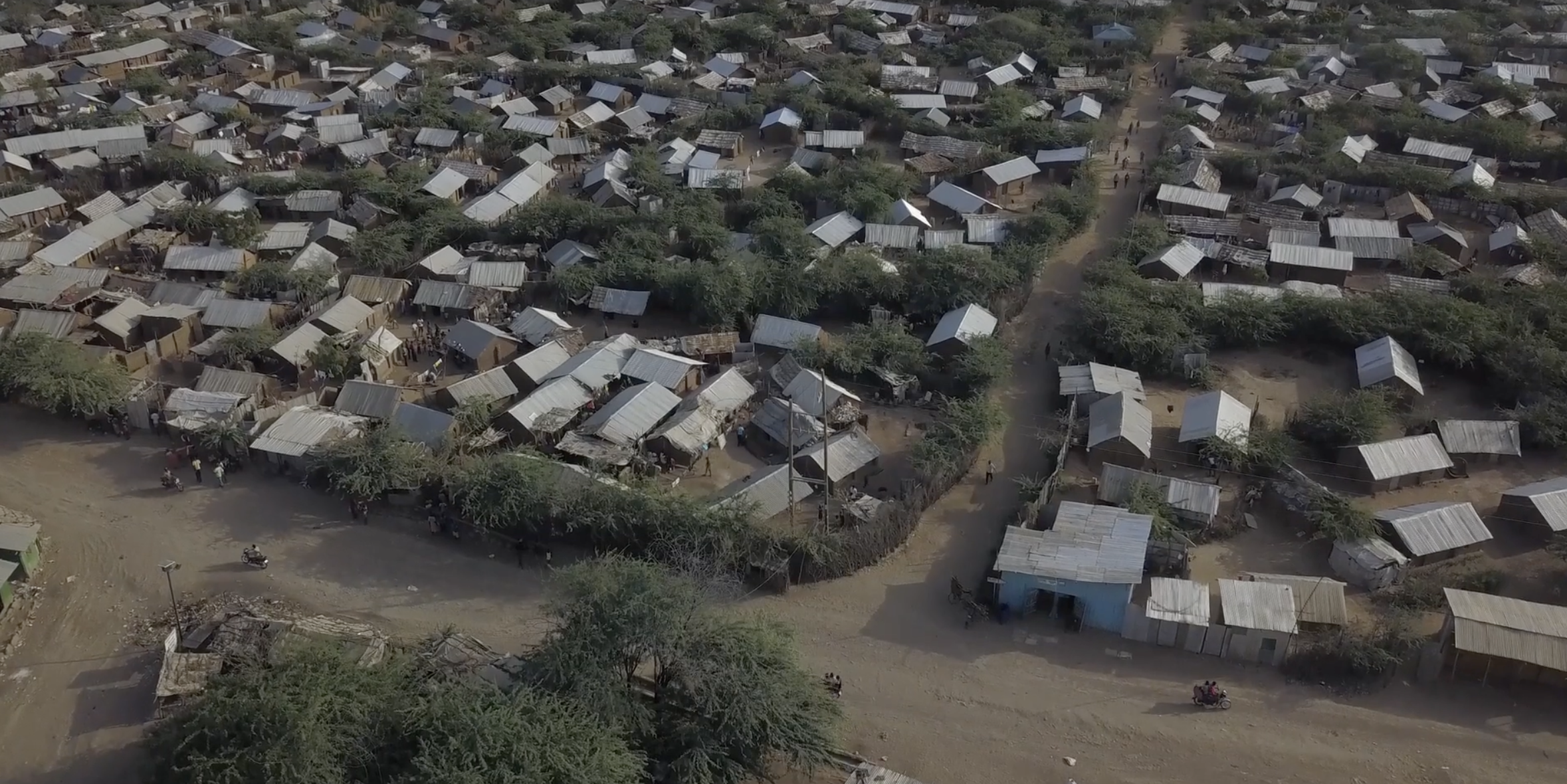
Our methodology consists of three key steps, which we applied in Kakuma. Kakuma is a protracted refugee camp located in Kenya, close to the border with South Sudan, and hosts refugees from South Sudan, DRC, Somalia, Burundi, among others. Kenya’s regulatory restrictions mean refugees living in Kakuma face limitations on their right to work or to live outside the camp. When we began our research in October 2022, Kakuma was home to over 300,000 refugees and asylum seekers.
Step 1
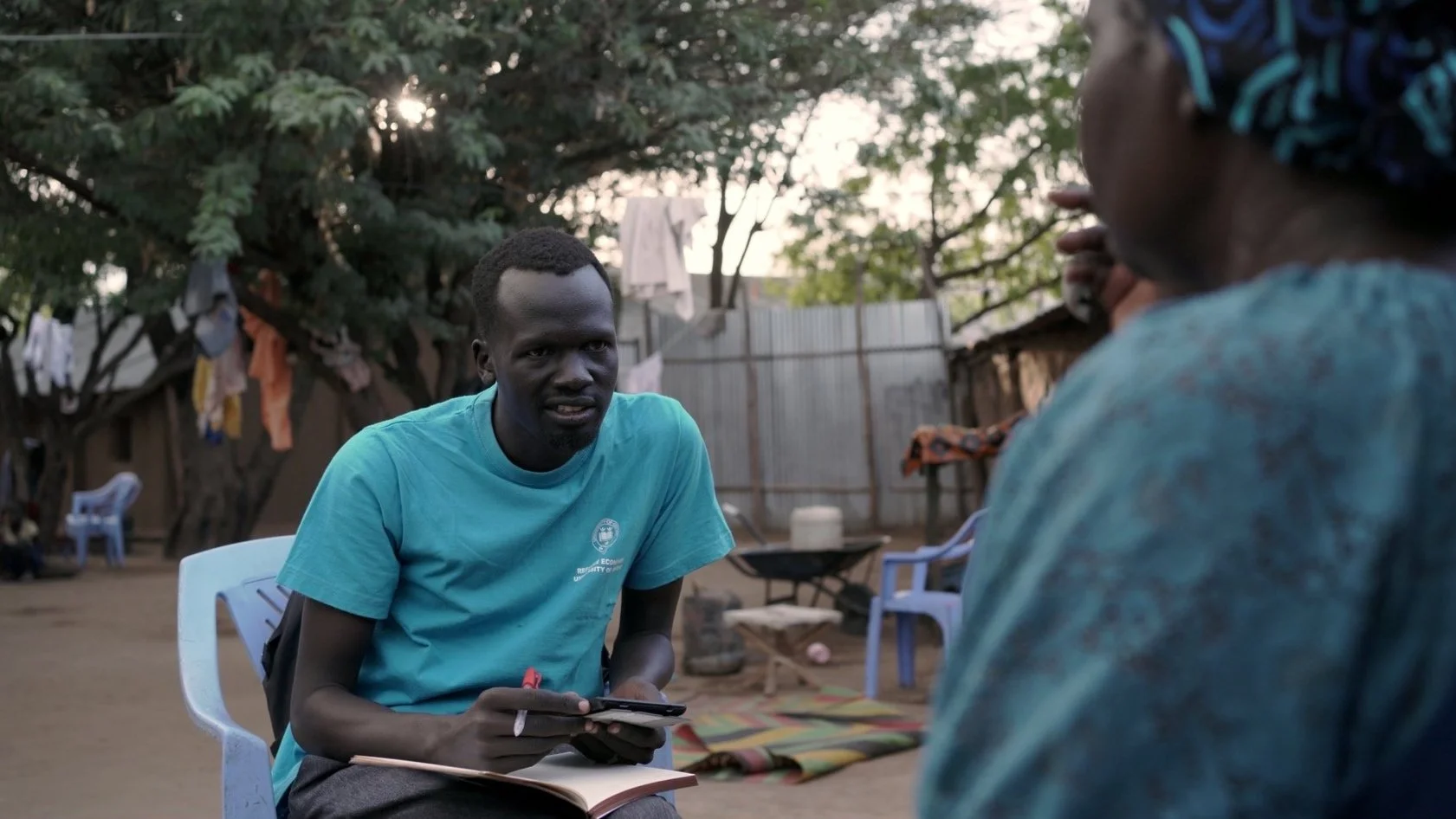
The first step involved collecting quantitative data from a representative sample of refugees living in Kakuma. In October 2022 we surveyed 1,030 households comprising 8,333 refugees. We focused on the three largest nationalities at the time: South Sudanese, Somali, and Congolese, who together made up 82% of the camp's population. Households were randomly selected from a comprehensive list of all refugee households living in the camp. A team of 23 refugees, trained specifically for this project, worked with us over four weeks to locate these households. If a household agreed to participate, the team conducted interviews in the refugees' native languages. The survey covered a broad range of topics, including education, employment, income, health, and consumption, providing a detailed picture of daily life in Kakuma.
Step 2
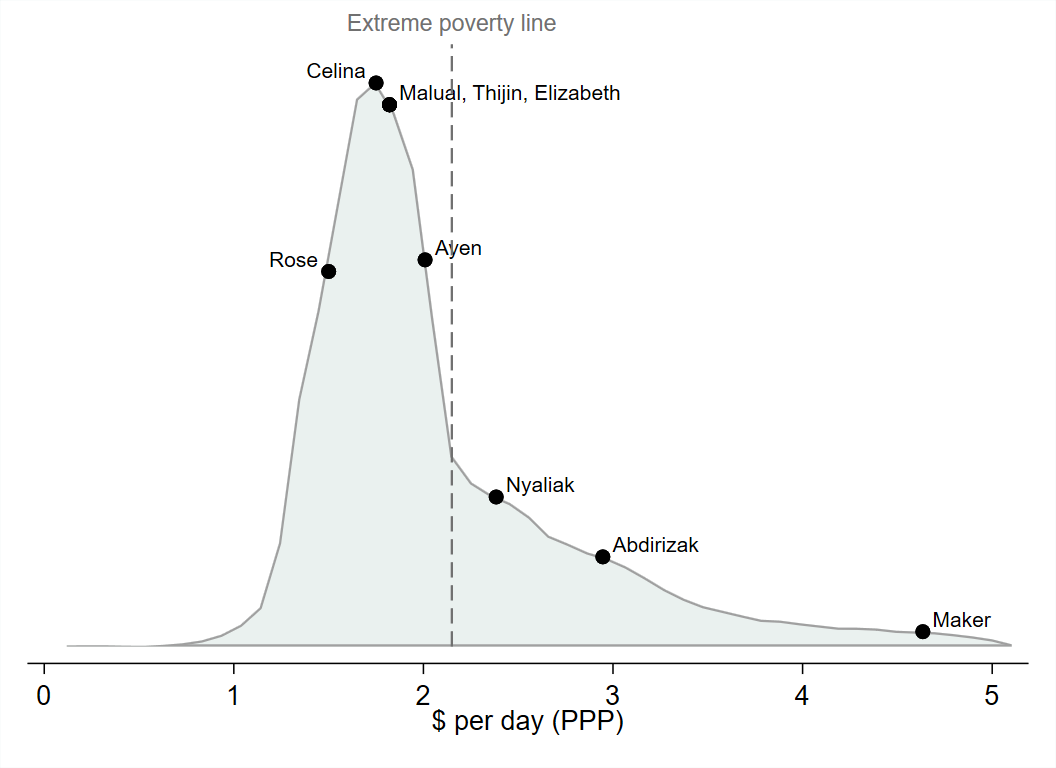
The second step of our methodology involved selecting households that represent the diversity of socio-economic situations within the refugee population and inviting them to share their stories. To ensure representation across different socioeconomic groups—not just the poorest or the wealthiest—we ranked households by income and identified the nine households that divide the population into ten equal segments. In statistical terms, these households are the deciles of the income distribution.
Step 3
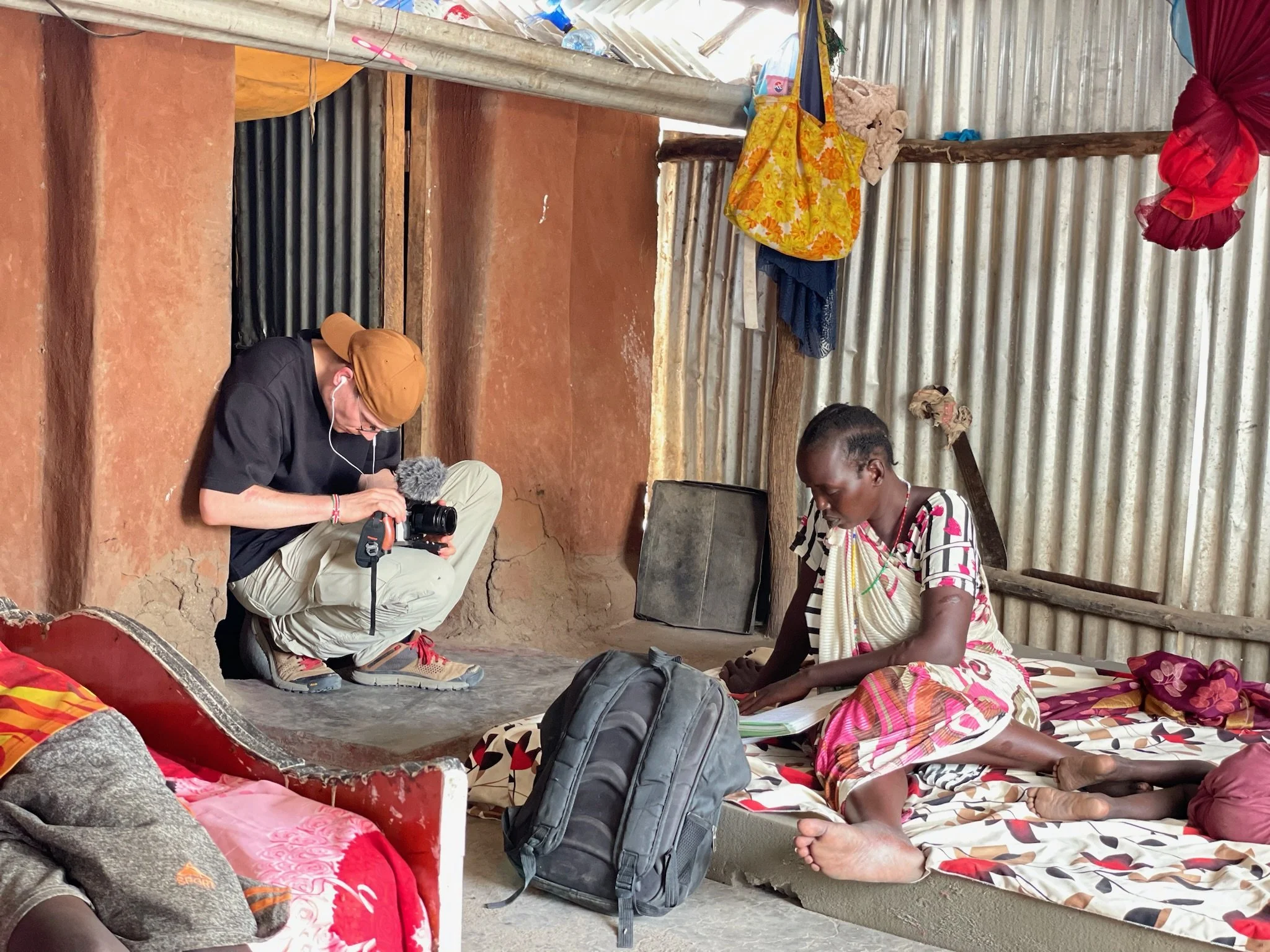
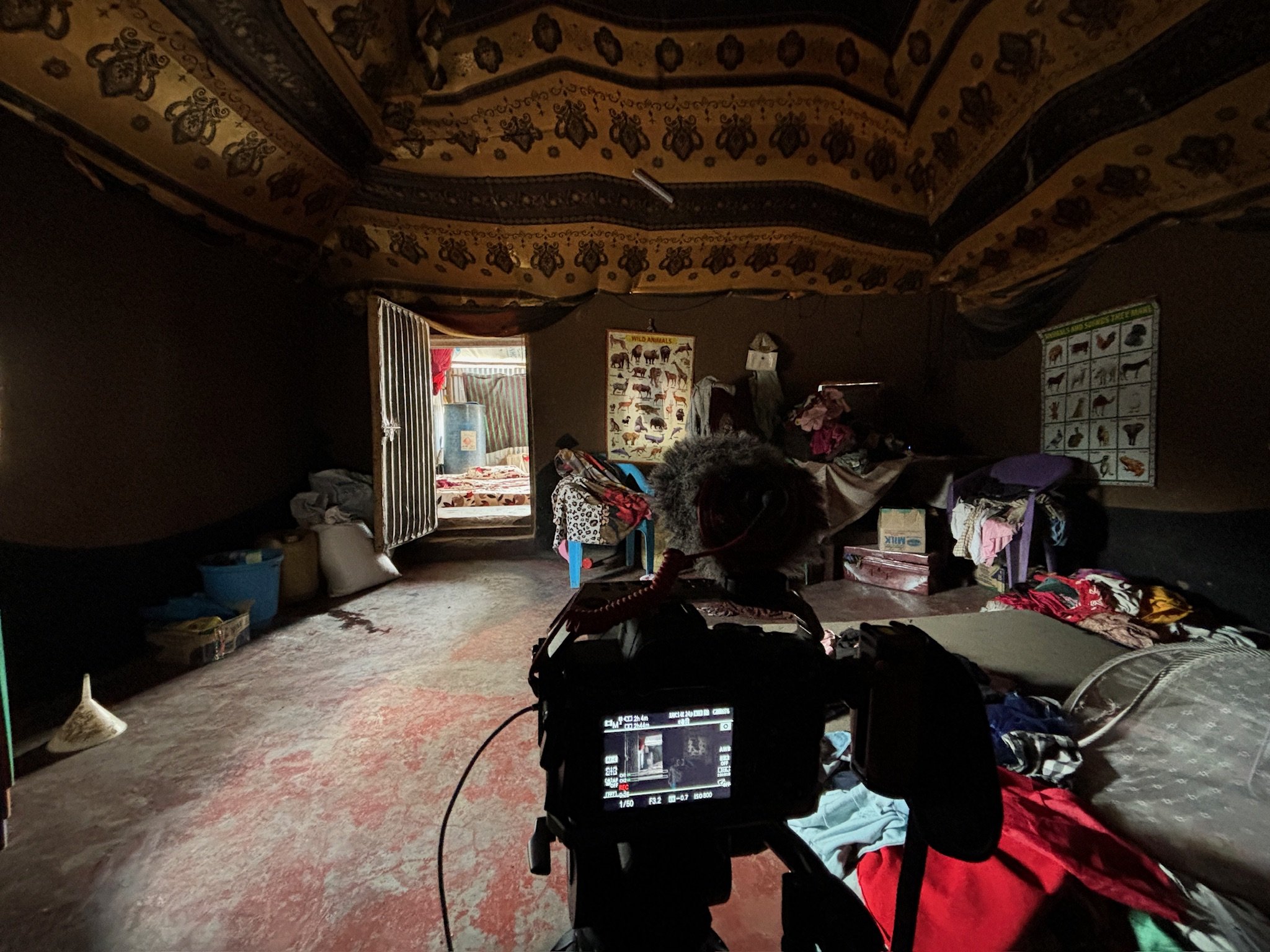
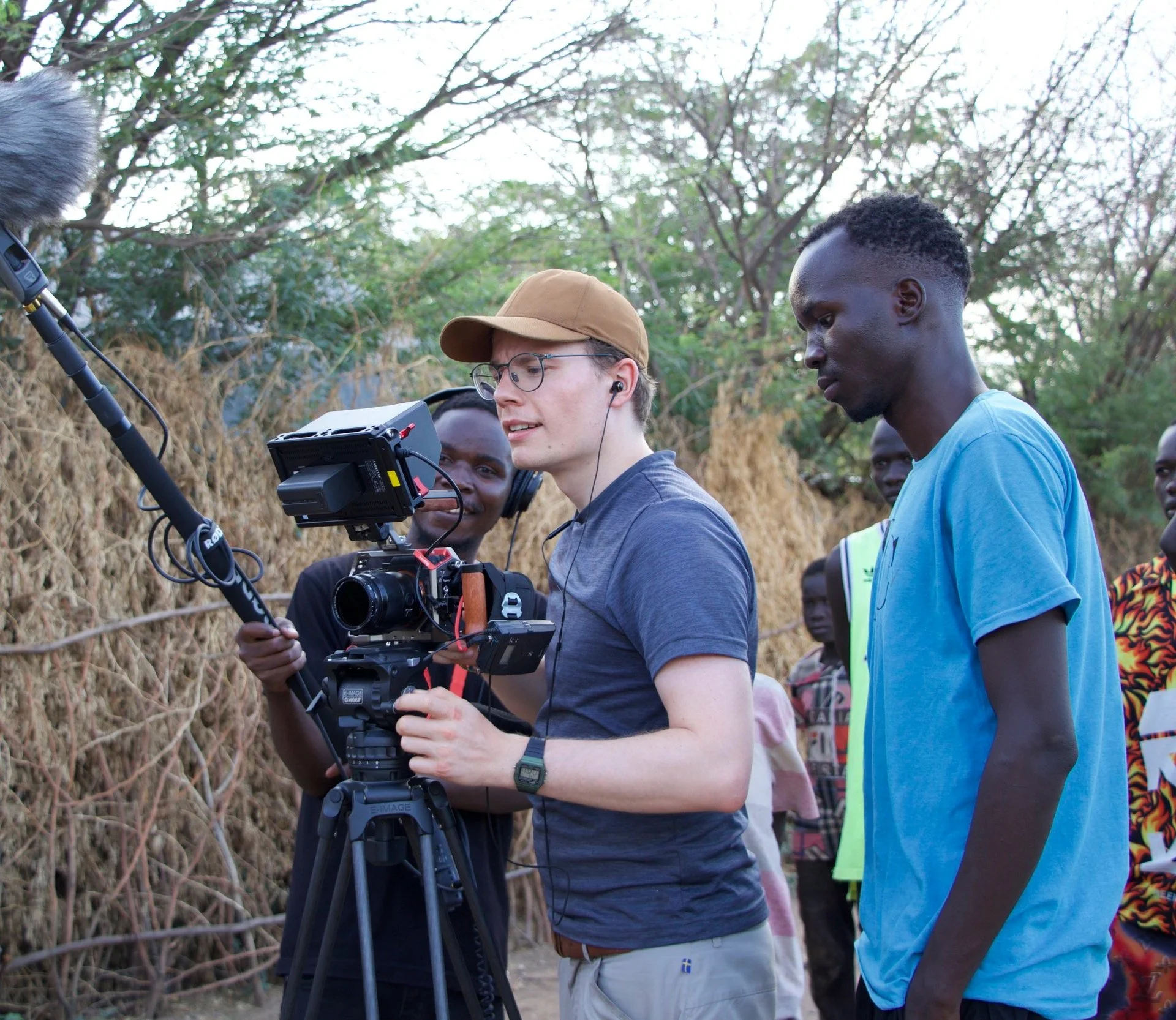
In the final step, we revisited the nine selected households to ask if they would be willing to share their stories on camera. We collaborated with Kakuma Film Team, a group of talented refugee filmmakers from the camp. We used a structured questionnaire to guide our qualitative interviews—covering the same themes as our quantitative survey. However, the format was deliberately open-ended, allowing refugees to share the stories that mattered most to them, in their own words.
We spent two days with each household and met individuals with very different lives. At one end of the spectrum is Rose, one of the poorest in our sample. She fled violence in South Sudan in 2017 and now lives alone with her four children in the Kalobeyei settlement. When we first met her, she had no job and was entirely dependent on humanitarian aid, surviving on less than $1 per person per day, far below the extreme poverty line. At the other extreme is Maker, the wealthiest among the nine households. Also from South Sudan, he fled as a teenager in search of education and opportunity. Today, he works as a pharmacist and lab technician in Kalobeyei, earning around $100 per month. Between these two extremes, we met Celina, Malual, Thijin, Elizabeth, Ayen, Nyaliak, and Abdirizak, each with their own unique story—stories that defy stereotypes and showcase the diversity and complexity of refugee lives.
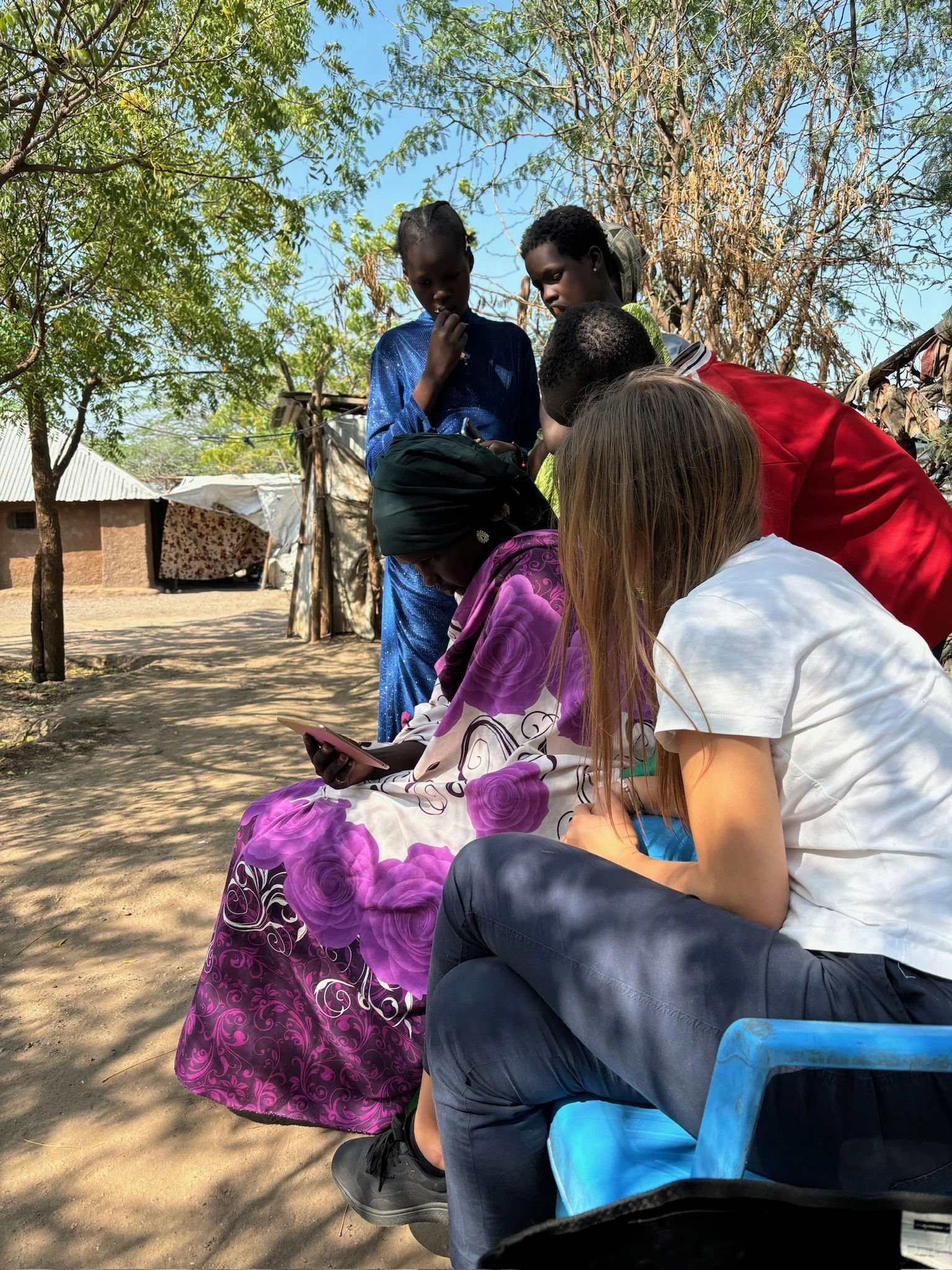
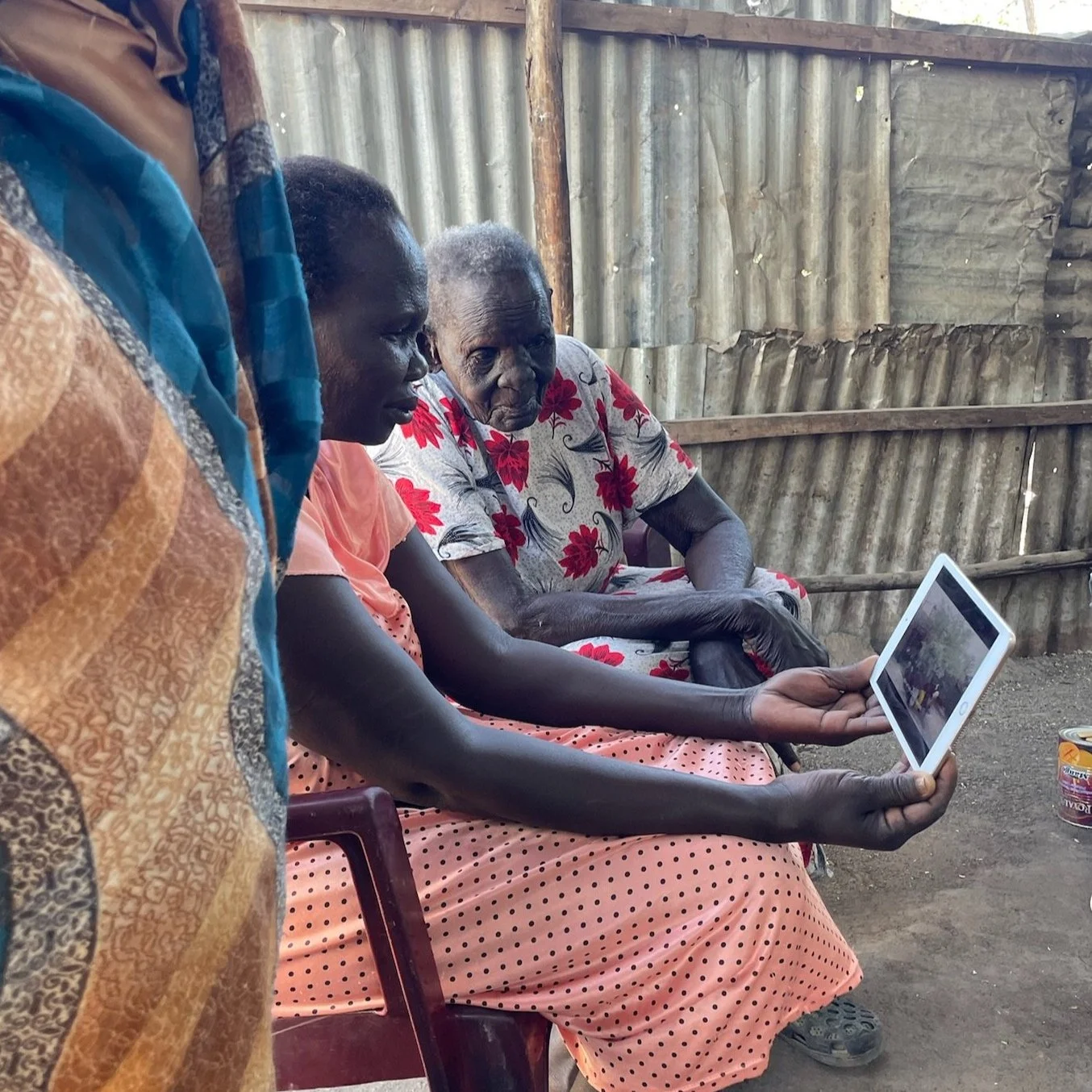
Our project introduces a novel methodology that integrates qualitative and quantitative methods to enable data-driven storytelling. We decided to use film so refugees could tell their stories in their own way. All videos were shown to participants before publication, and all consented to the inclusion of their story in this project.